
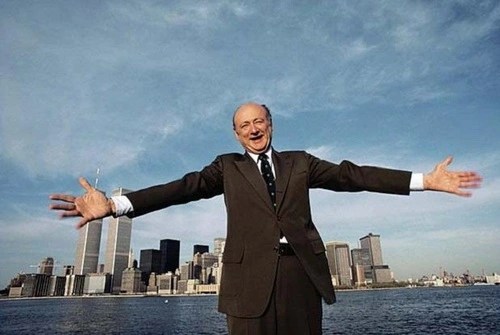
At Yom Kipper dinner Ed Koch sits with his family discussing the new Mosque that opened near ground Zero (which opened exactly 10 years after 9/11). Koch explains that “yes they have a right and we have a right to protest, and I protest.” His family members don’t shy from disagreeing with him, comparing the Muslim plight to that of the Jews while Koch firmly stands his ground. This is how Koch spent most of his mayoral candidacy, disagreeing with his naysayers as if spite meant political progress. In the new documentary “Koch,” which ran theatrically in February (the same month as his death), filmmaker Neil Barsky does not attempt to show Koch as New York’s most beloved mayor but (much like the city he served) as an opinionated opportunist who got things done his way.
The film opens with city council members deciding if the Queens Borough Bridge should be named after Koch. Most of the council members agree that it should and come prepared with speeches in his honor. But councilman Charles Barron of Brooklyn stands up and gives an “unequivocally absolutely no.” This would be the tone of Koch’s candidacy and the film (which references Koch’s catchphrase “how’m I doin” throughout the film) well that depends on who you ask.
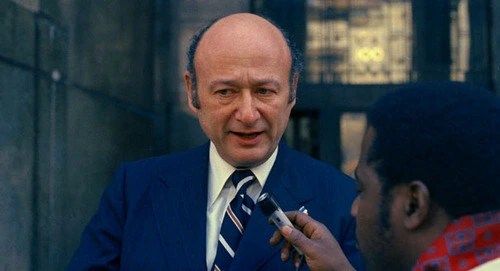
Although spending his childhood in New Jersey, the Bronx born Koch was a New Yorker to the core, which was part of his charm and derision. The film works because it shows the many faces of a man and the city in which he presided. When something happens in Dover Delaware or even Los Angeles, it probably won’t touch the radar, but when you decide to shut down a hospital in Harlem or neglect the AIDS epidemic in America’s major city, a mayor’s legacy will be tainted, and the world will know about it. In the documentary Koch states that shutting down the hospital in Harlem (one of the few hospitals that would hire black doctors) was a mistake. Koch was never one to shy away from controversy and seemed to wear it as a badge of honor.
To be New York City’s mayor, is to preside over the great American experiment “to see whether all the peoples of the world [can] live together in a single place” (Rick Burns, “New York”). Several have argued Koch was not up for this experiment and the film does not shy away from his dissenters. We hear from the man himself, those who loved him and those who found his tactics divisive. At one point Pastor Dr. Calvin O. Butts, when discussing if Koch was a racist, claims worse—he was an opportunist.
Despite his tumultuous political career, Koch was an entertaining figure, a perfect subject matter for film. With each decade introduced in huge font as if only a lion tamer could run the city, “Koch” shows that no ordinary ego could govern New York City, Koch was a fighter during a time when New York needed a champion.
For a closer look at Ed Koch’s political career, Joseph Burger took a discerning look at his candidacy in a New York Times article last February http://www.nytimes.com/2013/02/03/nyregion/so-how-did-mayor-koch-do.html.
Other Doc’s Of Note Featuring Koch:
American Experience: New York (8 episodes) Chronicles the history of New York from Hamilton’s accent on the city as a young orphan from the West Indies to the aftermath of the 911 attacks. In classic Ric Burns style this Doc will envelope its audience like a great novel. The entire documentary is available on Amazon instant.
The Central Park Five asks a riveting look at the botched case where five young teenagers were wrongly accused of raping and assaulting a jogger in central park.
Making the Boys (Netflix) Explores how the first gay play “The Boys in The Band” would break artistic and social ground.
 FILM SQUAD