
The Showtime series which seemed primed for inspiration and “girl power” leaves a less than stellar mark
By Michelle Montgomery
Soccer and rugby have obvious similarities, the strongest being that they both take place in the elements; typically games are never canceled due to the heat, rain or muddy conditions and fouling is loosely defined according to the rules of the game. Due to the length of the field the ref often has a difficult time capturing all that ensues, giving the game an unruly nature to it. It’s fair to say that rugby is soccer on steroids where players topple on top of each other in the mud with no helmet and no gear. Both are sports for strong runners and adrenaline junkies who prefer the elements of mud and rain to bring life and a bit of cruelty to the game. The best days are when your kneecaps are covered in mud and blood.
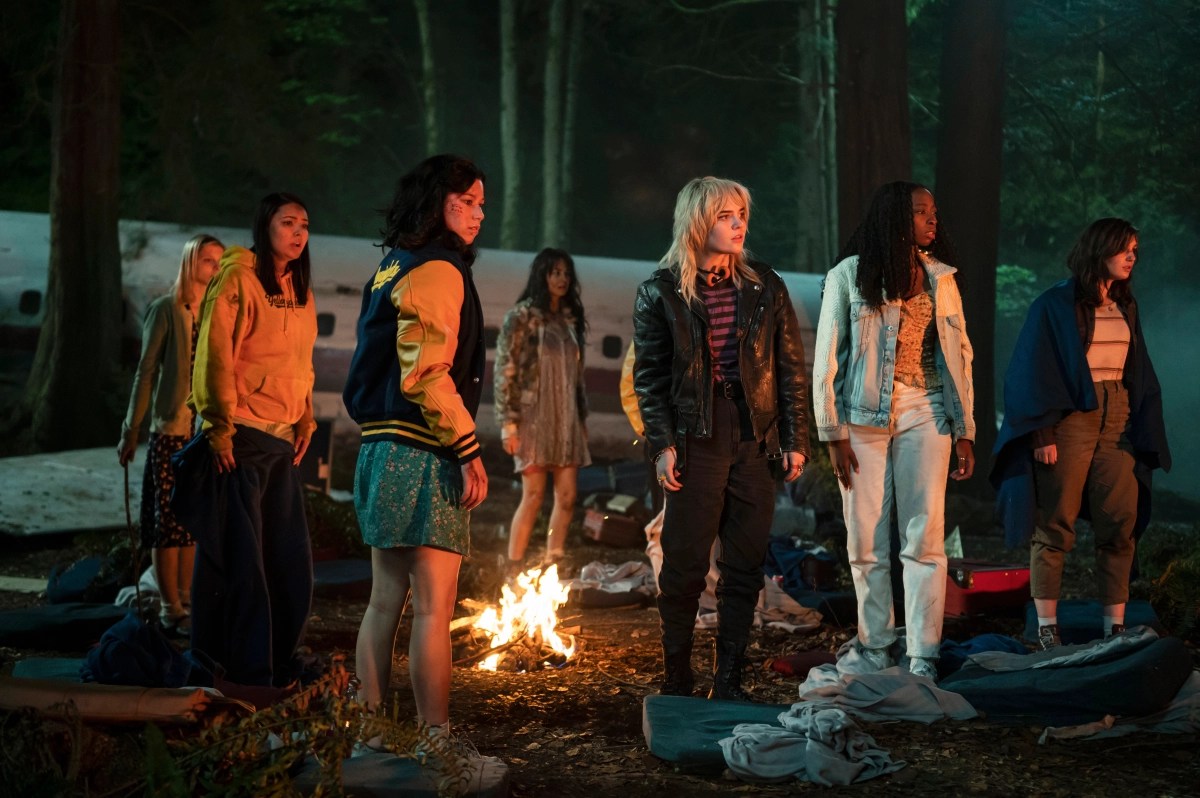
“Yellowjackets” is a ten part series on Showtime which tells the story of a female High School soccer team who boards a plane bound for “nationals” in Seattle. The plane however never makes it to Seattle and we watch as the existing soccer players and their coach attempt to live in the wilderness for 19 months. One of the series creators recently told NPR that she was greatly influenced by the film and book “Alive” which tells the unbelievable story of a Uruguayan rugby team (on their way to Chile for a match) as they crash into the snow covered Andes and miraculously survive by eating the bodies of the dead. “Lord of the Flies” was also an inspiration for Elissa Nadworny and Bart Nickerson (the husband and wife writing team who created “Yellowjackets”). The trickiest thing about this story is that it never happened, giving the creators an artistic license that moves beyond this world. Like with the HBO series “True Detective, ” “Yellowjackets” includes elements of the supernatural which seem oddly placed and insinuates that a crashed plane in the wilderness (full of teenagers) isn’t enough for a ten part series?
When incorporating aspects of the supernatural, it often works best when used as a doorway into the psychological which “Yellowjackets” does incorporate, however there are times when the show relies too heavily upon the supernatural. This becomes problematic as this type of tale has so much to give we don’t really need the supernatural elements to add more depth to the story. Unfortunately when these elements do occur, it’s during pivotal times in the story, when the natural elements of human psychology could have served us so much more. Like in the first season of HBO’s “True Detective,” these supernatural elements do a disservice to the story and they don’t allow the characters to create their own pace and purpose.
The most notable characters from the series include Misty (Christina Ricci/ Samantha Hanratty), Shauna (Melanie Lynskey/ Sophie Nelisse), Taissa (Tawny Cypress/ Jasmin Savoy Brown) and Natalie (Juliet Lewis/ Sophie Thatcher) who we follow from their teenage years to present time as they navigate a current interest digging into their past. Two parallel storylines begin to emerge as the scenes juxtapose from a present day New Jersey suburb to 1996, the year that the teammates go missing. We see how their lives have changed and how the trauma of being lost in the wilderness affected them, at least to a certain degree. Taissa is the brazen and tough leader of the group and she wants to win at just about any cost. Just as the Uruguayan rugby team would come to terms with the fact that they would never be rescued, Taissa also attempts to devise a way out. The main difference between these two stories is that the women fight constantly and the men from the rugby team go on to write books and become trauma advocates and motivational speakers.
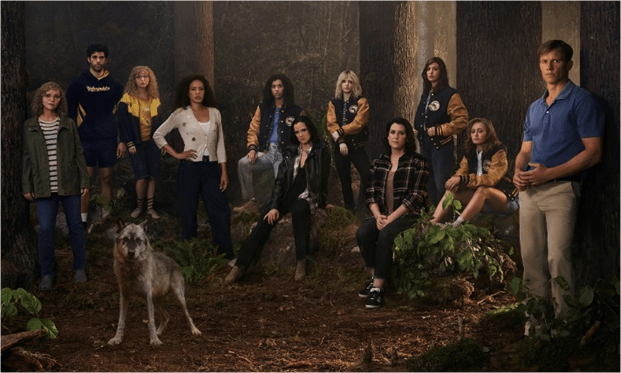
The women fight over who is going to have sex with Travis (the only grown man left intact in the wilderness), past betrayals, food and how to get it, how and where to escape and where they are going to sleep for the night. Granted the girls excursion lasted approximately a year longer than the Andes tragedy, “team work” goes out the window for séance work and as the first scene of the series suggests, murder. I wish I could say that the series (which ended its first season last Sunday night) included moments of triumph and inspiration regarding the actions of these women, but thus far all we get is women who continue to be lost. Most of the elements in the series work on account of the cast and the unbelievable story which they are responsible for lifting up. The story is also sharp as it navigates how each character negotiates living in the wild when faced with death. One can’t help but compare and contrast the girls’ experiences to those of the Uruguayan rugby team who were stranded for 72 days in the snowy mountains and who (despite the conditions and what they had to resort to) came out of the experience as loving comrades who still meet up once a year. This would not be the same experience the young women had.
The women come together twenty years later due to fear that their secrets will be revealed, not out of love or a trauma bond. Although the series does include several scenes which point out why the women act and perceive the way they do, we never really get a powerful showcase of how trauma works and the series may have been better served had this been included. What the show does capture well is time and how survivors of trauma have difficulty moving on. They often live and think in the past and continually compare who they were before and after the significant event. Dr. Bessel van der Kolk, a psychiatrist and trauma specialist who wrote the New York Times bestseller, “The Body Keeps the Score,” wrote about trauma in a groundbreaking way:
“We have learned that trauma is not just an event that took place sometime in the past; it is also the imprint left by that experience on mind, brain, and body. This imprint has ongoing consequences for how the human organism manages to survive in the present. Trauma results in a fundamental reorganization of the way mind and brain manage perceptions. It changes not only how we think and what we think about, but also our very capacity to think. . . Our capacity to destroy one another is matched by our capacity to heal one another. Restoring relationships and community is central to restoring well-being.”
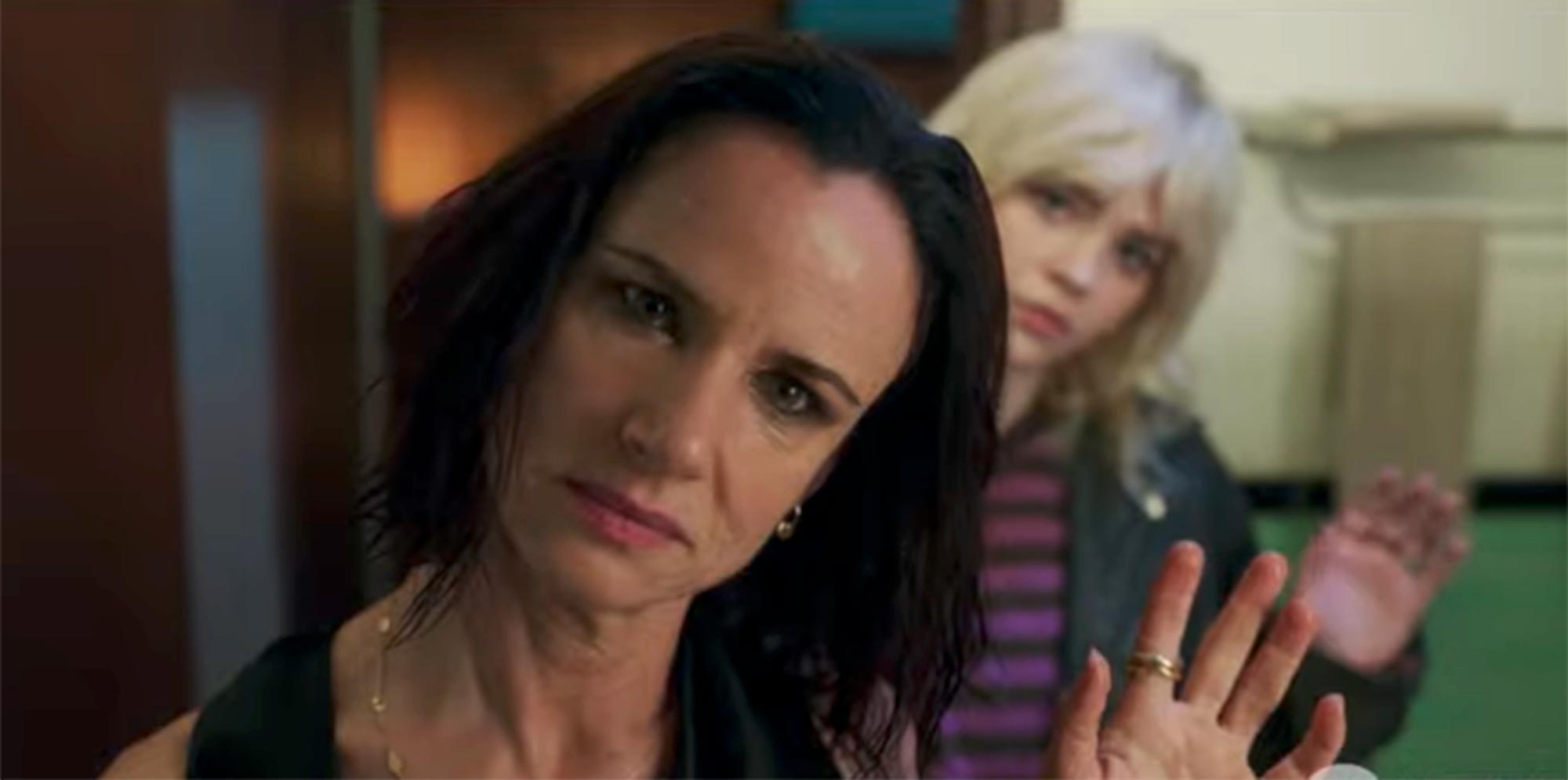
Natalies character is likely the best representation of how trauma can eat away at us yet her constant drinking (with rock music pretty much always in the background) has a mocking quality to it with her fishnet stockings and all around bad chick vibes– she’s a showboat version of a badass chick– even with the talent that Juliet Lewis provides one can’t help but notice the typecast. When we first find Natalie she is at a swanky rehab facility, looking well rested as she sits in seated pose next the beaming pacific ocean. While in group Natalie makes an arresting observation about “loosing my purpose” out in the wilderness but this is all we really get in terms of learning about how she manages her experience. In Showtimes true to form style a preference for camp and outlandish storytelling supersedes delving into the human psyche, which HBO’s masterpiece “The Others” embraced. My hope is that when the second season airs the creators will step away from the supernatural elements, however with episode ten’s final scene, it seems likely that the opposite will occur.
*Netflix is currently developing a Spanish language film version of the Uruguayan “Miracle Flight 571” crash directed by J. A. Bayona and based upon the book “La Sociedad de la Nieve” by Uruguayan author and journalist Pablo Vierci.
 FILM SQUAD