
What To Do With a Gucci Fake By Michelle Montgomery
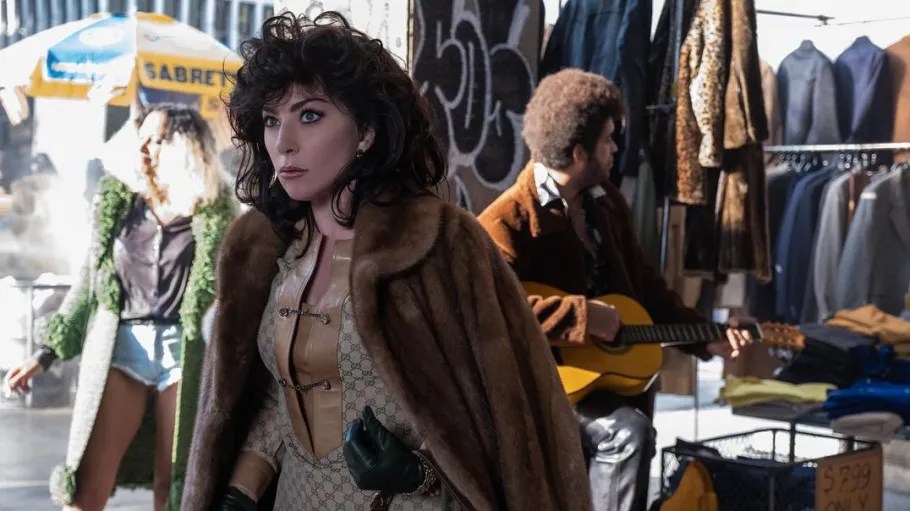
In Sarah Gay Forden’s book “The House Of Gucci: A True Story of Murder, Madness, Glamour and Greed,” she sets the scene with Giardini Pubblici, the oldest city park in Milan with its Renaissance-style architecture, sprawling historic gardens and pristinely cut grass. We are then introduced to a door man, Giuseppe Onorato. We learn about Giuseppe’s background, an Italian army veteran who “kept the entryway immaculate” as he watches the passerbyers and attends to famous men such as Maurizio Gucci. We also learn about what he saw that day in dramatic detail. What breath’s life into Forden’s account of the Gucci fashion house is her ability to describe each character’s beginning, middle, and end in a way that recognizes how impactful certain life choices are. The choice of murder for example is often a choice that is made from incredibly complex and traumatic circumstances. With Ridley Scott’s new film “House of Gucci” (which Forden was a consultant on) he doesn’t seem particularly interested in her consults, character development or how one would come to the decision of murder.
I’m not entirely sure what drew Scott to an Italian melodrama about a family run fashion house and apparently I am not the only one who is confused. The film has a befuddled nature to it and (like the Gucci brand itself) seems to embrace camp at times, sophistication at others. The films trailer with its 80’s soundtrack and movie star chic seemed to steer us towards camp, but the film itself with its lush settings and billboard worthy cast, one gets the sense that the film wants its ‘honorable mention’ despite its fondness of ignoring the facts regarding the family’s history and its demise within the brand. Tom Ford (who was the creative director for Gucci from 1990-2004) recently compared some of the performances in the film to a skit on “Saturday Night Live” in a recent review and while I don’t share that opinion exclusively, the film’s audience would have been better served had the film chose to unravel the actual facts of the case, which are riveting.
We are aware of the cinematic device of changing facts for story, but in this case the story was not saved, it was denied. “Establishing your angle” or choosing your narrative is a common function for true crime stories and steering away from the facts is also helpful if you are dealing with litigious subject matters. You can’t be labile if the movie is based on nothing, but then that is all you have, nothing.
The actual facts are stranger than fiction and have every right to make it on a screen someday, but today is not that day. Scott seems to be coming from the 80’s (be it the USA “up all night” 80’s) with his style of laissez faire storytelling and oddly placed soundtrack bites. After the wedding scene between Patrizia Reggiani (Lady Gaga) and Maurizio Gucci (Adam Driver) we hear the synth pop church-beat of George Michael’s “Faith” in an effort to remind us of how much “faith” is needed for commitment to be granted. Yet this funky tune really only served one purpose, reminding us that Scott’s vision is never too far away from trite and obvious. The casting however does not suffer as much as the story and we have Gaga to thank for this whose bravado, sensuality and sense of timing make the film. Gaga is so good in the film one wonders how much better she could have been served had she been given access to the real Patrizia.
The film chooses to leave out several important events in the lives of Patrizia Reggiani and Maurizio Gucci (the couple which it chronicles). One of the most telling events that is left out of the film is Patrizia’s brain tumor and the operation that followed (which her two daughters believed should have been shown in court regarding her capacity). Here it is clear that Scott is not only making a cinematic choice to create a certain type of film, but a moral choice as well. He seems to be fine with creating a puff instead of a wave. Prior to her surgery it was believed that Patrizia would not survive.
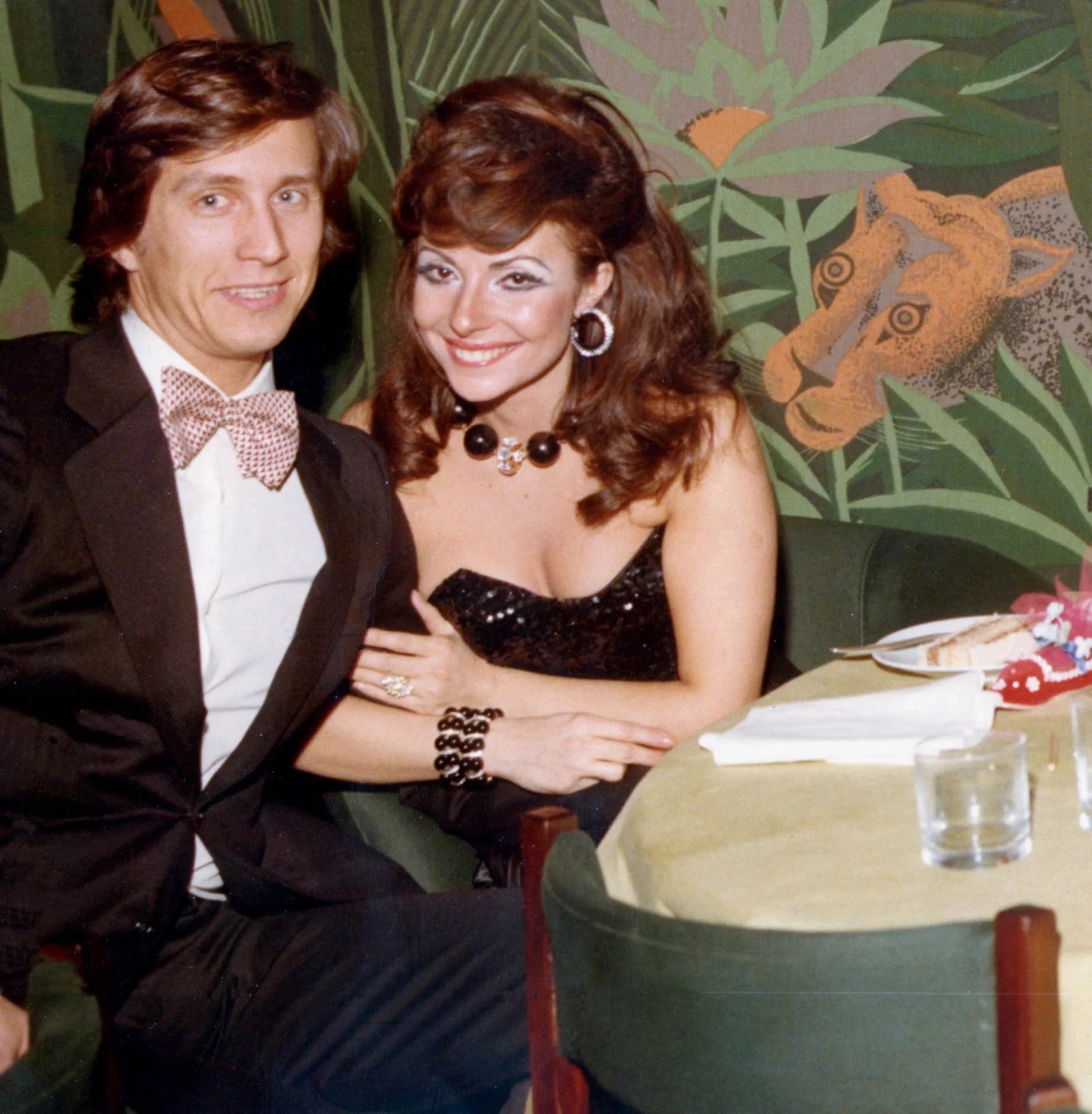
In 2004 the case against Patrizia Reggiani was reopened in Italy and according to The Guardian “the new trial has been granted because her lawyers believe that brain imaging techniques developed since [the first trail] will reveal damage that was previously undetectable, and strengthen their case for an acquittal.” A leading neuroscientist, Wolf Singers’, counter argument was featured in the article and stated that “crime itself should be taken as evidence of brain abnormality even if no abnormality can be found, and criminals treated as incapable of having acted otherwise.” The article goes on to state that “free will is an illusion” as to suggest that all of us have been bound by our thoughts and they control us, not the other way around.
Patrizia’s defense lawyer, Giovanni Maria Dedola, recently told Elle magazine that he had wanted to focus on Patrizia’s mental health at the time but Reggiani would not grant this, “she was difficult to work with and had an inability to be critical of her actions.” Personally I would have liked to have seen Gaga tackle this type of role and to be vulnerable with the truth. Gaga recently told NPR that she had studied the socialite for months and that she “had to decide as an actress, “Did she have the murder gene? Was she born a killer?” Unfortunately none of this translated on the screen and Gaga builds up the camp as only Gaga can do, which is fine and welcome for the most part but it would have been nice had Scott (the same man who directed “Thelma and Louise”) given her something to sink her teeth into.
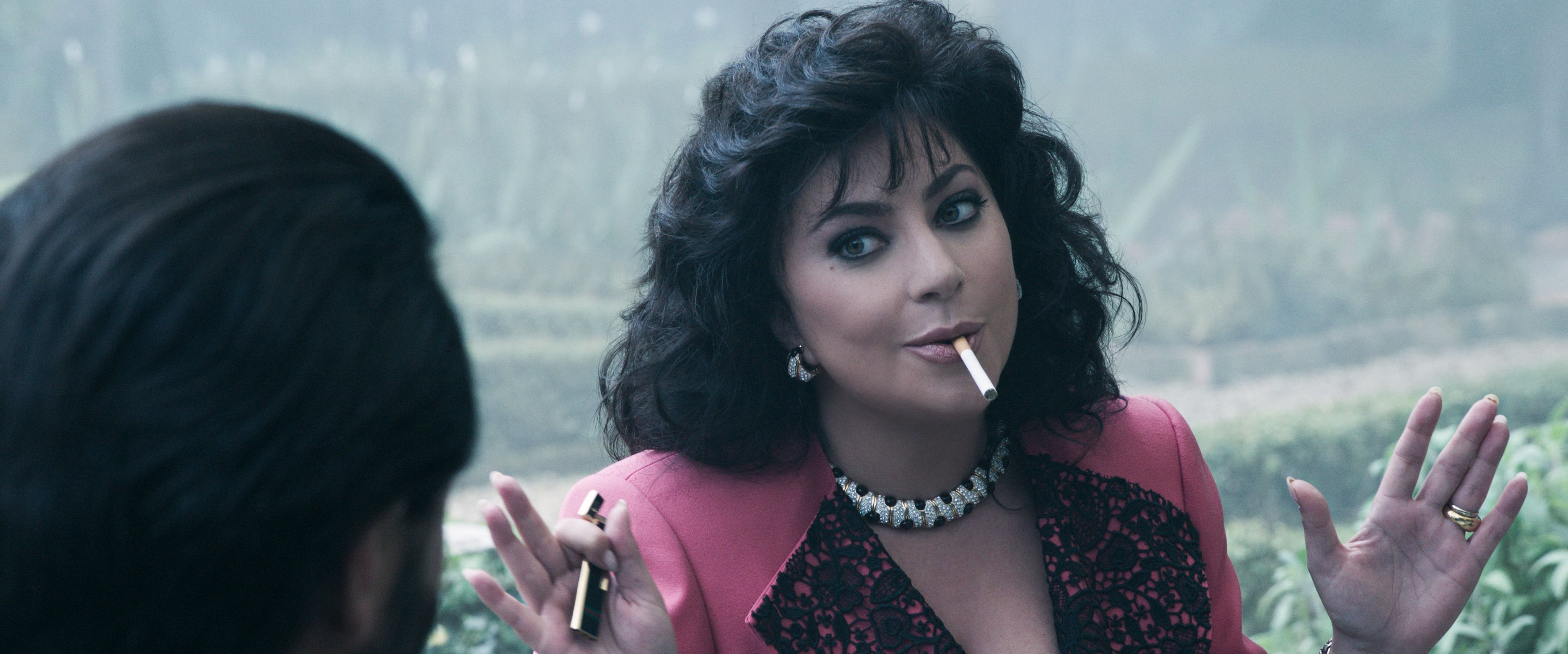
It’s as if Scott has not been woke to the last 20 years of film and television where we now have audiences who are accustomed to drawn out character studies based on true events. An example comes to mind with Ryan Murphy’s “The Assassination of Gianni Versace” a true crime series based upon the book written by Maureen Orth which was true to the facts as we know them but also managed to form its own camp identity with incredible storytelling where each actor was given the opportunity to bite into a complex character study and the why behind the behavior.
In her book Forden masterfully weaves together multiple stories including how each character manages themself when given the golden egg of Gucci, be it a new bride, a promising nephew or a global investment firm. This is difficult to do with a feature film, but not impossible.

